A Shelf for the Games I No Longer Own
- Lee Murray
- May 17, 2026
- 3 min read

I sold Silent Hill on the PlayStation 1 to Grainger Games in Altrincham for a few quid in 2010; I think about it more than I should.
I was in my early 30s, my two daughters were born; me and my wife Sarah were going through bags and boxes of things we could get rid of to de-clutter the house whilst getting some extra money in the process.
I had a load of bits that were stored in the office, these ranged from VHS videos of Manchester United season reviews (when we used to win things!), old books (I remember again a Manchester United theme) to my old games collections.
Silent Hill and my former PS1 collection were no longer being used at the time, they were fair game to get rid of and this is what sensible dads did.
Memories attached to games
So I got rid of my old PS1 games, this was a practical thing to do and marked a different period of my life, making smarter decisions (well trying to!).
In recent years there have been newer Silent Hill games released, they took me back to the originals and reminded me of memories which were not just of playing the game.
Memories attached to the game are also of my life at that time and the different version of me back then. I remember me and Sarah lived in a terrace house, near Sale Town centre, we had no children at that time, going out partying more often was a highlight!
It's a funny one, it's not just the physical disc and memories of the game, it's a marker to where I was in my life and memories associated with that time as well.
Fast forward 2026
In 2026 a copy of Silent Hill goes for about £90 plus so there is that side of regret as well!
But it's not about the money, it's the memories that are attached to the games and where I was at that time.
I built a shelf
Silent Hill is one of many old Retro Games I have memories attached to, I'm sure I'm not the only one, so I built a shelf.
A shelf where you can add all the games you have previously owned as well as games and hardware you currently own all in one place.
You can share your shelf with other people and write memories you have on games if you want to, there are also links to buy the games you no longer own and even set up price alerts for them.
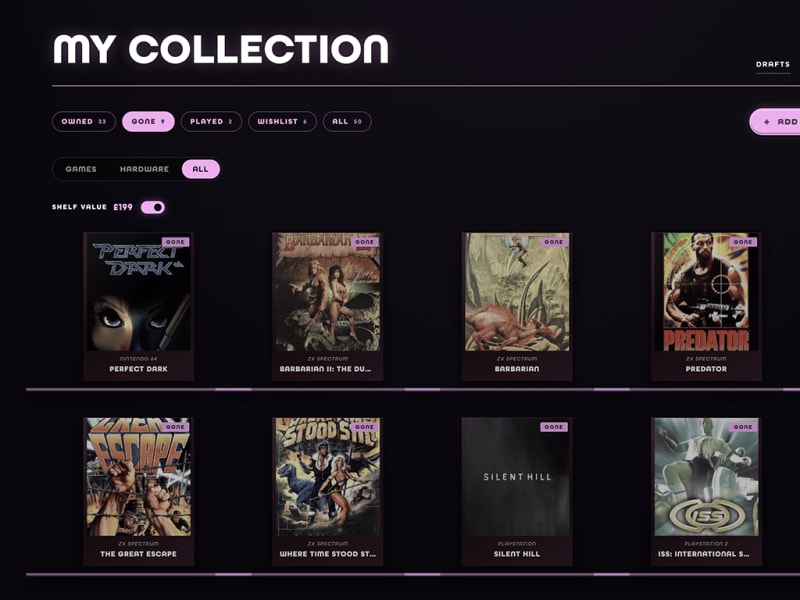
Have a look at my shelf and memories, Silent Hill is finally sitting on a shelf again, fifteen years late:
retrodelights.co.uk/member/lee/
If you'd like to create your own shelf and memories become a member and part of the Retro Delights community here:


Discussion
No comments yet — be the first to say something.
Couldn’t load comments right now.